| Type |
Image |
Description |
| Theropods |
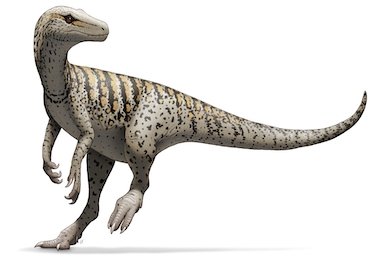 |
Theropods were a group of bipedal dinosaurs that included species such as the Velociraptor and Tyrannosaurus rex. They were primarily carnivorous, with some later evolving into omnivores and herbivores. They first appeared in the Triassic period and existed until the asteroid hit Earth. |
| Sauropods |
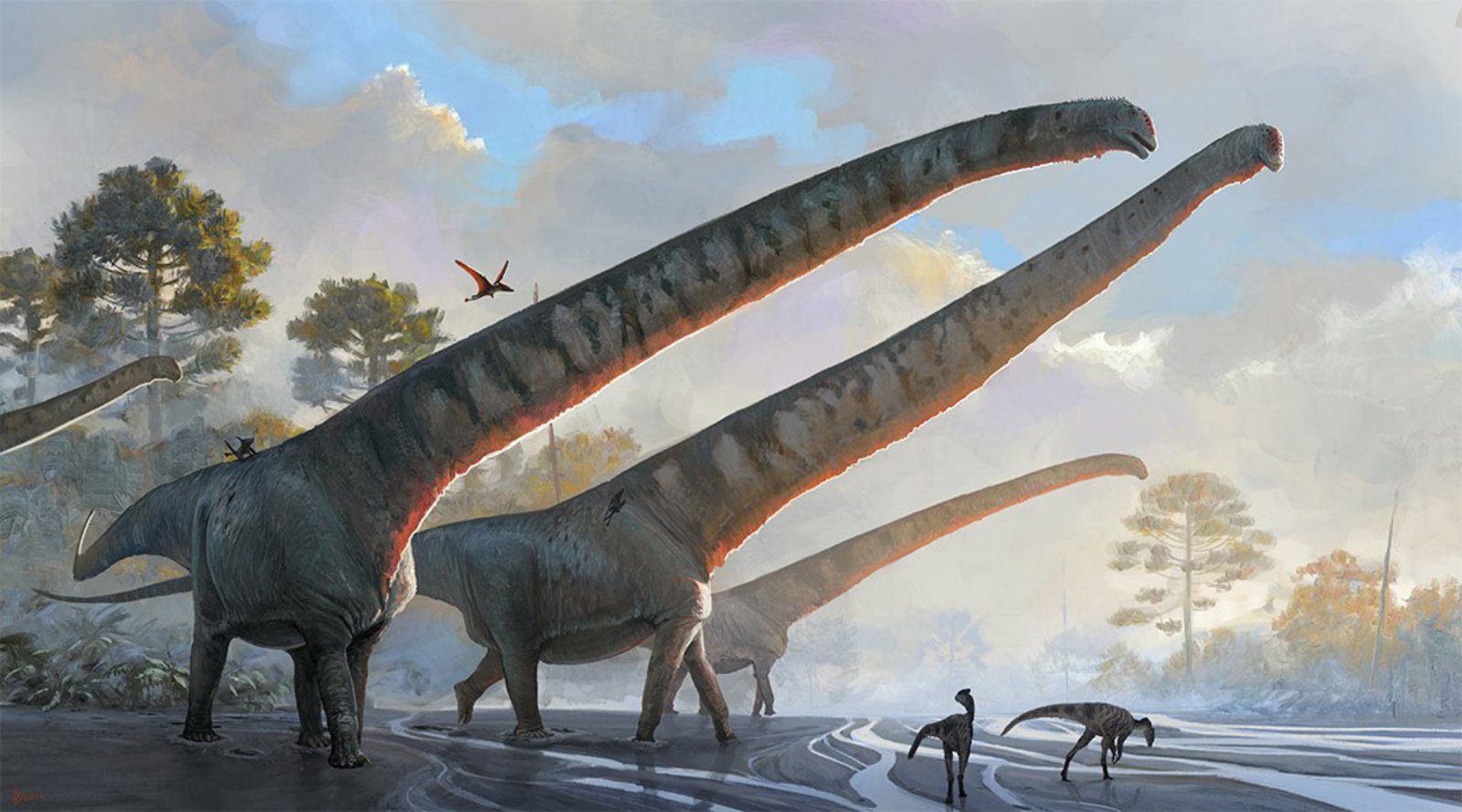 |
Sauropods were long-necked herbivores. They included species such as the Brachiosaurus and Diplodocus. They were some of the largest animals to ever live. They existed from the Triassic period until the Cretaceous-Tertiary event. Sauropod fossils have been discovered on every continent. |
| Ankylosaurs |
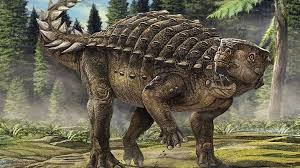 |
Ankylosaurs were a group of herbivores including species such as the Ankylosaurus and Euoplocephalus. They existed during the Late Jurassic period until the end of the Cretaceous period. Ankylosaur fossils have been discovered in North America, Europe, and Asia. |
| Ornithopods |
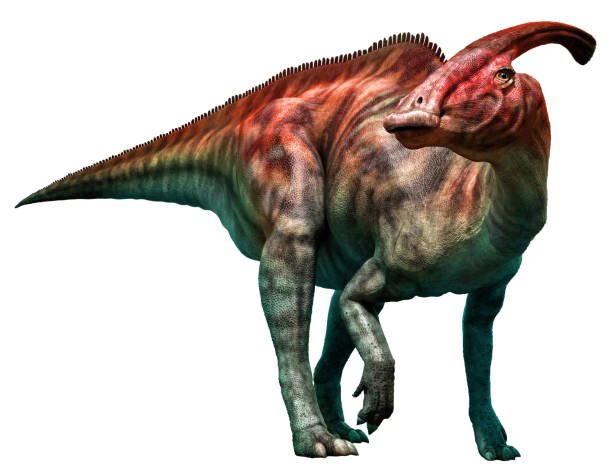 |
Ornithopods were a group of bipedal and quadrupedal herbivores. The group included species such as the Iguanodon and Parasaurolophus. They existed from the Late Jurassic period to the end of the Cretaceous period. Ornithopod fossils have been uncovered on every continent. |
| Ceratopsians |
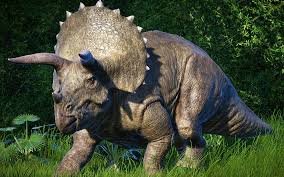 |
Ceratopsians were a group of herbivores including species such as the Triceratops and Styracosaurus. They existed during the Late Cretaceous period. Ceratopsian fossils have been found primarily in North America and Asia. |
| Pachycephalosaurs |
 |
Pachycephalosaurs were a group of herbivores including species such as the Pachycephalosaurus and Stegoceras. They lived during the Late Cretaceous period. Pachycephalosaur fossils have been found mainly in North America and Asia. |
| Type |
Description |
| Amber |
Amber-covered insect fossils dating back to the Cretaceous-Tertiary event were discovered back in 2013. Amber fossils are formed when resin seeping out of cracks in a tree covers a (typically very small) creature. |
| Tar Pits |
Tar pits are formed when decayed organic matter is subjected to extreme pressures, leaving behind an extremely thick black liquid which organisms may get trapped in and be preserved. There have not been any dinosaur fossils discovered in tar pits. |
| Peat Bogs |
Dinosaur brains were found in peat bogs. Scientists figured out that they belonged to dinosaurs since the brains shared many similarities to those of birds and crocodiles which are descendants of dinosaurs. Peat bog fossils are formed by buildup of sediment and minerals over a dead organism. |
| Freezing |
Paleontologists in Antarctica have discovered frozen dinosaur fossils dating back to nearly 200 million years ago. |
| Drying |
During a drought in Texas in 2022, 113 million year old dinosaur footprints were discovered preserved in the stone. |